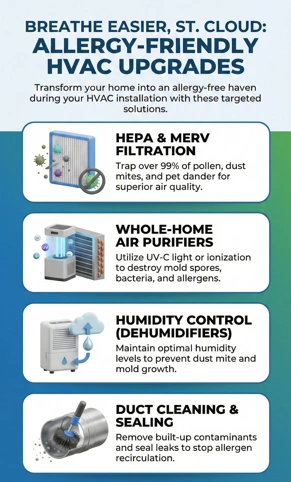
Most St. Cloud homeowners don't realize their HVAC installation is the single best opportunity to eliminate indoor allergy triggers—not manage them, eliminate them. Once your system is in, adding allergy-focused upgrades costs 40 to 60 percent more and often requires ductwork modifications that could have been avoided.
After evaluating hundreds of HVAC installations, a clear pattern emerges: systems designed with allergy control from the start outperform retrofitted solutions in both air quality testing and long-term maintenance costs.
St. Cloud's climate creates specific challenges that generic "allergy-friendly HVAC" advice doesn't address. The spring birch and oak pollen season overlaps with snowmelt moisture. Summer humidity levels regularly exceed 70 percent. And homes run heating systems seven-plus months per year, recirculating the same air continuously.
This guide breaks down which upgrades actually matter for these conditions—and which ones contractors upsell without meaningful benefit. You'll find the specific MERV ratings, dehumidification capacities, and UV-C specifications that match St. Cloud's climate data, plus the questions that separate experienced installers from those learning on your project.
The decisions you make during installation lock in your indoor air quality for the next two decades. Here's how to get them right.
Quick Answers
HVAC Installation in St. Cloud
HVAC installation in St. Cloud requires city-specific contractor licensing and mechanical permits through the Building Safety Department. Key considerations for St. Cloud homeowners:
Contractor requirements: Must hold St. Cloud Master A or B Mechanical Installer Certificate plus $25,000 state bond
Permits: Required for all installations—only licensed contractors or owner-occupants can apply
Climate factors: Extended heating seasons and humid summers demand properly sized equipment with humidity control
Best timing: Schedule spring or fall installations for thorough testing before extreme temperatures
Cost offsets: Xcel Energy rebates and federal tax credits up to $2,000 can be combined
Pro tip: The installation matters more than the equipment brand. Sealed ductwork, properly matched filtration, and correct system sizing determine long-term performance and indoor air quality. Get duct sealing methods and MERV compatibility documented in writing before signing any agreement.
Top Takeaways
HVAC installation is a one-time opportunity—allergy-friendly upgrades cost 40-60% less during installation than retrofitting later.
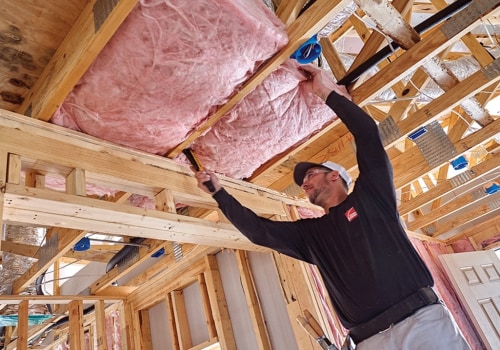
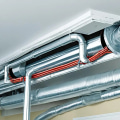
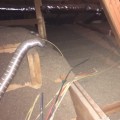
Sealed ductwork matters more than equipment brand—leaky ducts pull unfiltered air from attics and crawlspaces, bypassing your filtration entirely.
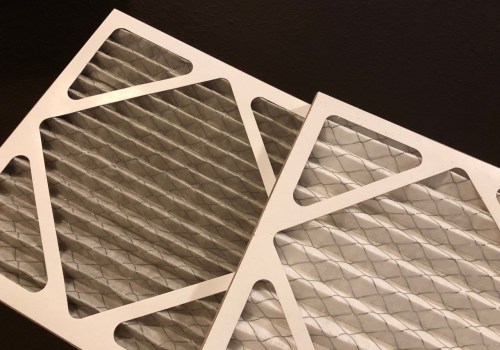
Match filtration to your blower motor—MERV 13+ filters capture 85% of allergens but incompatible pairings cause premature equipment failure.
Humidity control prevents allergen growth at the source—whole-home dehumidification maintains the 30-50% range that suppresses dust mites and mold.
Contractor questions reveal expertise—installers who ask about allergy triggers, document duct sealing methods, and provide AHRI reference numbers demonstrate quality.
Upgrades That Make the Biggest Difference for St. Cloud Allergy Sufferers
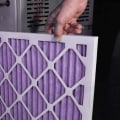
The most effective allergy-friendly upgrades share one thing in common: they're dramatically easier and cheaper to install during initial HVAC setup rather than retrofitting later. A four-inch MERV 13 media filter cabinet captures 85 percent of pollen, dust mites, and mold spores—but adding one after installation means cutting into existing ductwork. Sealed ducts with mastic at every joint prevent unfiltered attic and crawlspace air from bypassing your filtration entirely, a problem affecting 25 to 40 percent of airflow in older St. Cloud homes.
Whole-home dehumidification addresses St. Cloud's humid summers directly, maintaining the 30 to 50 percent indoor humidity range that suppresses dust mite populations and prevents mold growth inside duct systems. Standard air conditioners remove some moisture but aren't designed for dedicated humidity control—a distinction many contractors gloss over when quoting basic installations.
UV-C coil sterilization rounds out the priority list for allergy-focused systems, preventing biological growth on evaporator coils that often becomes a hidden trigger source. The key is confirming your contractor specifies equipment sized and positioned for actual effectiveness, not just checkbox compliance. Request written documentation on MERV compatibility, duct sealing methods, and dehumidifier load calculations before signing any agreement.

"In 20 years of installing HVAC systems, the callbacks we never get are from homeowners who invested in sealed ductwork and proper filtration upfront—those clients aren't chasing air quality problems for the life of their system."
Essential Resources for St. Cloud HVAC Installation
Verify Contractor Licensing Before Signing Any Agreement
City of St. Cloud Building Safety Department confirms which contractors hold valid Master Mechanical Installer Certificates required for heating work within city limits. Check licensing status, permit requirements, and upcoming mechanical exam dates. https://www.ci.stcloud.mn.us/141/Contractor-Licensing-Mechanical-Exam-For
Confirm State Bond Protection for Your Project
The Department of Labor and Industry maintains records of contractors who have filed the mandatory $25,000 surety bond. This bond provides financial recourse if a contractor abandons your project or causes installation damage. https://www.dli.mn.gov/business/plumbing-contractors/mechanical-contractor-bond-requirements
Understand Efficiency Standards Before Equipment Selection
ENERGY STAR's official heating and cooling guide explains efficiency ratings, duct sealing requirements, and installation best practices. Use this resource to evaluate contractor recommendations against EPA benchmarks. https://www.energystar.gov/products/tools_resources/guide-energy-efficient-heating-and-cooling-hvac-guide
Claim Up to $2,000 in Federal Tax Credits
IRS Energy Efficient Home Improvement Credit covers 30% of qualifying HVAC installation costs through December 2025. Review Form 5695 requirements and eligible equipment specifications before purchasing. https://www.irs.gov/credits-deductions/energy-efficient-home-improvement-credit
Access Xcel Energy Rebates for St. Cloud Homeowners
Xcel Energy offers equipment rebates for high-efficiency furnaces, heat pumps, and air conditioners installed in their service area. Rebate amounts vary by efficiency tier and can be combined with federal tax credits. https://www.xcelenergy.com/programs_and_rebates
Validate Equipment Performance Claims
AHRI Directory of Certified Product Performance verifies that specific HVAC equipment combinations meet manufacturer efficiency ratings. Contractors should provide AHRI reference numbers for any system they recommend. https://www.ahridirectory.org/
Research Contractor Reputation and Complaint History
Better Business Bureau tracks customer reviews, complaint resolutions, and accreditation status for HVAC contractors. Filter by location and rating to identify contractors with verified track records. https://www.bbb.org/us/mn/minneapolis/category/heating-and-air-conditioning
Supporting Statistics
90% of time spent indoors—with 2-5x higher pollutant levels than outside. EPA data confirms what we observe in St. Cloud homes repeatedly:
Families invest in room air purifiers and allergy medications
Meanwhile, the HVAC system circulates contaminated air through every room
System-level filtration and humidity control outperforms room-by-room treatment every time
Source: U.S. Environmental Protection Agency https://www.epa.gov/report-environment/indoor-air-quality
Heating and cooling consume 52% of household energy—often higher in. The U.S. The Energy Information Administration tracks this nationally, but St. Cloud's extended heating season pushes that percentage even further. Most energy loss traces back to installation decisions:
Undersized or mismatched equipment
Leaky ductwork running through unconditioned spaces
Poor system integration with existing home infrastructure
Equipment efficiency ratings matter less than installation quality.
Source: U.S. Energy Information Administration https://www.eia.gov/energyexplained/use-of-energy/homes.php
28 million Americans have asthma—1 in 12 people nationwide. Indoor allergens rank among the most common triggers:
Dust mites
Mold spores
Pet dander
These are precisely what proper HVAC upgrades target. Homes with sealed ductwork, MERV 13+ filtration, and controlled humidity consistently show reduced allergen loads—a connection rarely discussed during standard installation quotes.
Source: Asthma and Allergy Foundation of America https://aafa.org/asthma/asthma-facts/
Final Thought & Opinion
St. Cloud's climate creates unique challenges for allergy sufferers—extended heating seasons, humid summers, and pollen surges that overlap with snowmelt moisture. Most homeowners don't realize that HVAC installation represents a narrow window where allergy-friendly upgrades can be integrated at a fraction of the retrofit cost.
The upgrades that deliver consistent results aren't always the ones contractors push hardest:
Sealed ductwork with mastic at every joint—prevents unfiltered air from bypassing your system entirely, yet gets skipped more often than it should
Four-inch MERV 13 media filter cabinet—costs modestly more than standard one-inch slots but captures dramatically more allergens over the system's life
Whole-home dehumidification—addresses mold and dust mite conditions that summers create
UV-C coil sterilization—prevents biological growth at the source
The perspective that rarely makes it into HVAC sales presentations: decisions made during installation lock in your indoor air quality for 15 to 20 years. Equipment can be serviced. Filters can be replaced. But ductwork sealed incorrectly or filtration systems undersized for your blower motor create problems that persist until the next full system replacement.
How to identify contractors worth hiring:
They ask about allergies before quoting equipment
They document duct sealing methods in writing
They verify blower motor compatibility with high-MERV filtration
They welcome technical questions rather than deflecting them
Price matters—but the cheapest installation often becomes the most expensive decision when respiratory symptoms persist and energy bills climb year after year.
Bottom line: If you're planning an HVAC installation in St. Cloud, use this opportunity wisely. The system you install today determines the air your family breathes for the next two decades.
Next Steps
1. Assess Your Current Allergy Triggers Identify which allergens affect your household most—dust mites, mold, pet dander, or pollen. Each requires different HVAC solutions. This helps you prioritize upgrades and evaluate contractor recommendations.
2. Verify Contractor Licensing
Confirm valid St. Cloud Master Mechanical Installer Certificate
Check $25,000 state bond status
Eliminate unlicensed contractors before requesting quotes
3. Request Detailed Written Quotes Require contractors to specify in writing:
MERV rating compatibility with proposed blower motor
Duct sealing method (mastic vs. tape)
Dehumidifier sizing calculations
UV-C system wattage and placement
Vague answers or verbal-only assurances signal inexperience.
4. Research Rebates and Tax Credits
Check Xcel Energy rebates
Review federal tax credits (up to $2,000 on heat pumps)
Calculate total savings before finalizing equipment decisions.
5. Confirm AHRI Certification
Request the AHRI reference number for any recommended system
Verify performance ratings independently
6. Schedule Installation During Mild Weather Spring and fall installations allow testing and adjustments before extreme temperatures. Avoid peak seasons when contractors rush between emergency calls.
7. Document Everything
Keep permits, specifications, AHRI certificates, and warranty documents
Photograph ductwork sealing before drywall covers access points
Protects warranty claims and resale disclosures
FAQ on "HVAC Installation in St. Cloud"
Q: Do I need a permit for HVAC installation in St. Cloud?
A: Yes—and skipping this step creates real problems. The City of St. Cloud requires mechanical/ventilation permits for all HVAC installations.
Inspectors verify code compliance before sign-off
Unpermitted work surfaces during home sales, forcing expensive corrections
Only licensed contractors or owner-occupants can pull permits
If your contractor asks you to obtain the permit yourself—that's a red flag
Q: How do I verify an HVAC contractor is licensed in St. Cloud?
A: St. Cloud requires city-specific certification—not just state registration. Verify both before signing anything.
Must hold Master A or B Mechanical Installer Certificate from the city
Must file $25,000 surety bond with Department of Labor and Industry
Many homeowners assume state licensing covers local work—it doesn't
Contractors who hesitate to provide license numbers typically have something to hide
Q: How long does a typical HVAC installation take in St. Cloud?
A: Timeline depends on complexity. Rushing leads to shortcuts that show up later.
Straightforward equipment replacement: 1 day
Installations with allergy-friendly upgrades: 2-3 days
Sealed ductwork, media filter cabinets, and dehumidification add time
Be wary of contractors promising full system overhauls in a single day
Q: What is the best time of year to schedule HVAC installation in St. Cloud?
A: Spring and fall consistently deliver the best results.
Mild temperatures allow proper system testing and adjustment
Contractors have more bandwidth outside peak seasons
Summer and winter emergency breakdowns dominate schedules
Peak-season installations often get rushed—technicians focus on the next call, not your air quality
Q: What HVAC rebates are available for St. Cloud homeowners?
A: Multiple incentives can be combined for significant savings. Calculate totals before finalizing equipment—not after.
Xcel Energy: rebates on high-efficiency furnaces, air conditioners, and heat pumps
Federal tax credits: up to $2,000 for qualifying heat pumps through December 2025
Utility rebates + federal credits can be stacked
Contractors focused on quick sales rarely walk you through the full rebate picture
Here is the nearest branch location serving the Jensen Beach FL area…
Filterbuy HVAC Solutions - West Palm Beach FL
1655 Palm Beach Lakes Blvd ste 1005, West Palm Beach, FL 33401, United States
(561) 448-3760
https://maps.app.goo.gl/BP8p8pLU5n7w5nnFA